Selecting the right digital twin software for buildings starts with more than evaluating platforms; it requires a clear strategy tied to operational goals, building systems, and long-term real estate portfolio vision.
For smart building owners, digital twins are quickly becoming essential tools. However, the digital twin marketplace is still emerging and often confusing. It can be challenging for building owners to navigate options available and ensure their investment reaps its intended benefits. This guide walks you through what digital twin software does, how to evaluate it, and offers suggestions for how to make the best decision for your smart building.
Why Digital Twin Software for Buildings Matter
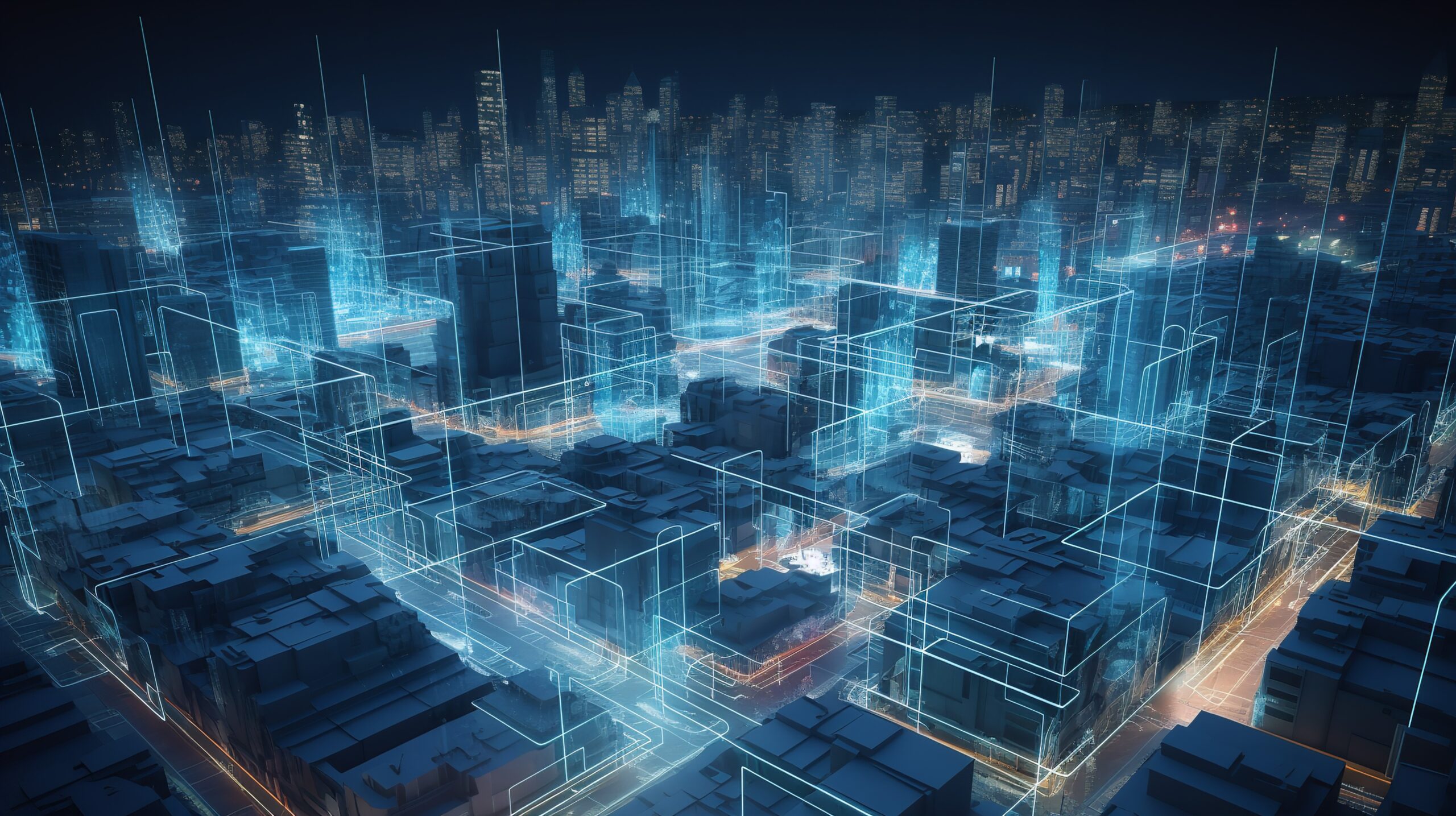
A digital twin is dynamic, data-rich replica of a built environment and the systems within it. When implemented effectively, it can provide real-time insights into operations and helps drive more informed decisions across a building’s lifecycle.
Better operational visibility across building systems
A fall 2025 study by Science Direct cites the benefits of digital twins for helping create “more innovative, more efficient, and sustainable buildings by delivering real-time insights and facilitating data-driven decision-making.” The study also reviews digital twin applications that benefit net-zero energy consumption outcomes including energy reduction and forecasting, carbon tracking, and predictive control of OT systems in a building.
Support for energy efficiency and sustainability goals
“The digital twin market is still being pioneered,” said Emory Burch, Senior VDC Manager and member of Aptitude’s in-house innovation team. “Like any new technology or software development, digital twins will go through a series of iterations and variety of use cases. This is what we’ve been seeing over the past several years, but the potential benefits for a variety of industries are amazing. When it comes to delivering smart building construction projects, the ability to hand over a data-rich, dynamic digital replica is lightyears ahead of what building owners typically experienced at handover even a few years ago.”
Stronger maintenance & asset management decisions
Aptitude remains vendor- and brand-agnostic. Whether our clients need security cameras or a digital twin platform, our responsibility as a trusted partner is not to peddle products but rather to offer solutions that meet clients’ needs. With this in mind, we work hard to stay informed of ongoing innovation in the smart building industry and ensure our staff is certified to design and install a wide range of products that add value. To that end, Aptitude is a certified digital twin solution provider for Autodesk Tandem – one of the digital twin solutions on the market we’ve found successfully meets our clients’ needs.
How Aptitude Helps Owners Choose the Right Digital Twin Strategy
When evaluating digital twins or any investment, it goes without saying that a fully baked plan for end goals, who will implement the changes, and a plan for how that will be achieved is imperative for success. Digital twins promise exciting outcomes, but like any tech, they’re only as intelligent as the data they draw from. Even the most complete data set means nothing if no one consistently uses it. Who on your team will learn and use the digital twin, and how will they evaluate the data from it?
Consider whether your organization has a dedicated facilities manager, sustainability officer, or operations lead who will take ownership of the platform day to day. A digital twin without a committed champion tends to collect digital dust. Equally important is understanding why you’re investing in one. Are you chasing energy efficiency gains? Trying to streamline maintenance workflows? Looking for better data at the point of a future renovation or sale? The clearer your goals are upfront, the easier it will be to evaluate whether a given solution can deliver on your desired goals.
How to Evaluate Digital Twin Software for Buildings
Not all digital twins are created equal, and the differences between platforms go beyond price. When vetting solutions, look for the following:
- Data integration capability: Your digital twin is only as valuable as the systems it can connect to. Evaluate whether a platform integrates with your existing building management systems (BMS), IoT sensors, HVAC controls, and other OT infrastructure. A twin that requires manual data entry or operates in isolation from your live systems will quickly become more burdensome than beneficial.
- Scalability and interoperability: If you manage multiple properties or anticipate growth, choose a platform built to scale. Open standards and API flexibility will matter more over time than a polished out-of-the-box interface.
- Vendor support and ecosystem: The digital twin market is still maturing, which means platform longevity can be a concern. Look for vendors with a clear product roadmap, strong customer support, and an active user community. Ask what happens to your data if you decide to switch platforms down the road.
- Ease of use: A platform that requires a software engineer to interpret means your facilities and operations team won’t use it. Prioritize digital twin solutions that offer simple and intuitive dashboards and that offer clear and actionable data for the people who will use it post construction.
Common Mistakes to Avoid
The capabilities of digital twin platforms can be impressive — immersive three-dimensional models, real-time system monitoring, predictive analytics, and carbon tracking all in one place. It’s easy to get excited about the possibilities after a compelling demo. But even the most sophisticated tools will underdeliver if their poorly matched to your building’s infrastructure, your team’s capacity, or your organization’s goals.
Be cautious of platforms that overpromise on plug-and-play simplicity. Implementing even the most robust digital twin solutions typically requires very thorough commissioning, well-organized data, and staff training. As an unbiased master systems integrator (MSI) who has learned from hundreds of smart building delivery projects, Aptitude will advocate for hiring an MSI every time.
“Smart building projects fail when there isn’t someone connecting the needs of all stakeholders and driving big-picture delivery of a holistic technology ecosystem. This is what a good MSI or technology integrator does. They don’t just install a portion of the systems, and they don’t just design another portion. They break down siloes, slash fee stacks, listen to the needs of multiple end users, and they drive toward successful outcomes,” said Mike Kettleson, Operations Director for Aptitude.
Owners should budget for the reality that a digital twin is not a one-time purchase. First, they will need someone, such as a trusted MSI partner, to implement their twin successfully. Next, they’ll have an ongoing relationship with the platform provider with licensing costs, and a need to continually maintain asset connections as systems evolve.
“Be sure to use an MSI partner who has experience on all phases of implementing a twin, not just the digital visualization and data,” Burch added.
When to Use Digital Twin Software During the Building Lifecycle
The ROI on a digital twin is not realized at purchase. It’s realized through use. The sooner your team begins working with the platform after implementation, the faster you’ll surface insights and build the institutional knowledge needed to get full value from your investment.
Establish a routine. Schedule regular reviews of your digital twin’s data, whether through weekly energy usage check-ins, monthly maintenance forecasting, or quarterly sustainability reporting. Use the twin during renovation planning, when troubleshooting system issues, or when onboarding new facilities staff who need to quickly understand the building. The more embedded the digital twin becomes in your day-to-day operations, the more indispensable it can be.
When a digital twin is selected thoughtfully, implemented thoroughly, and used consistently, it becomes exactly what the technology promises: a living, breathing replica of your building that helps inform smarter decisions throughout the life of your smart building.
If you’re considering a digital twin solution for your next building project and have questions, Aptitude experts are here to help. Reach out for a complimentary consultations at questions@aptitudeii.com for more information, and be sure to check out our article [A Learning Guide for Smart Building Owners: Digital Twins 101].